Re-Learning without prejudice
Learning
and re-Learning Food
Food can feel unfamiliar after taste or smell changes. This page is about rebuilding confidence, curiosity, and enjoyment — one step at a time.
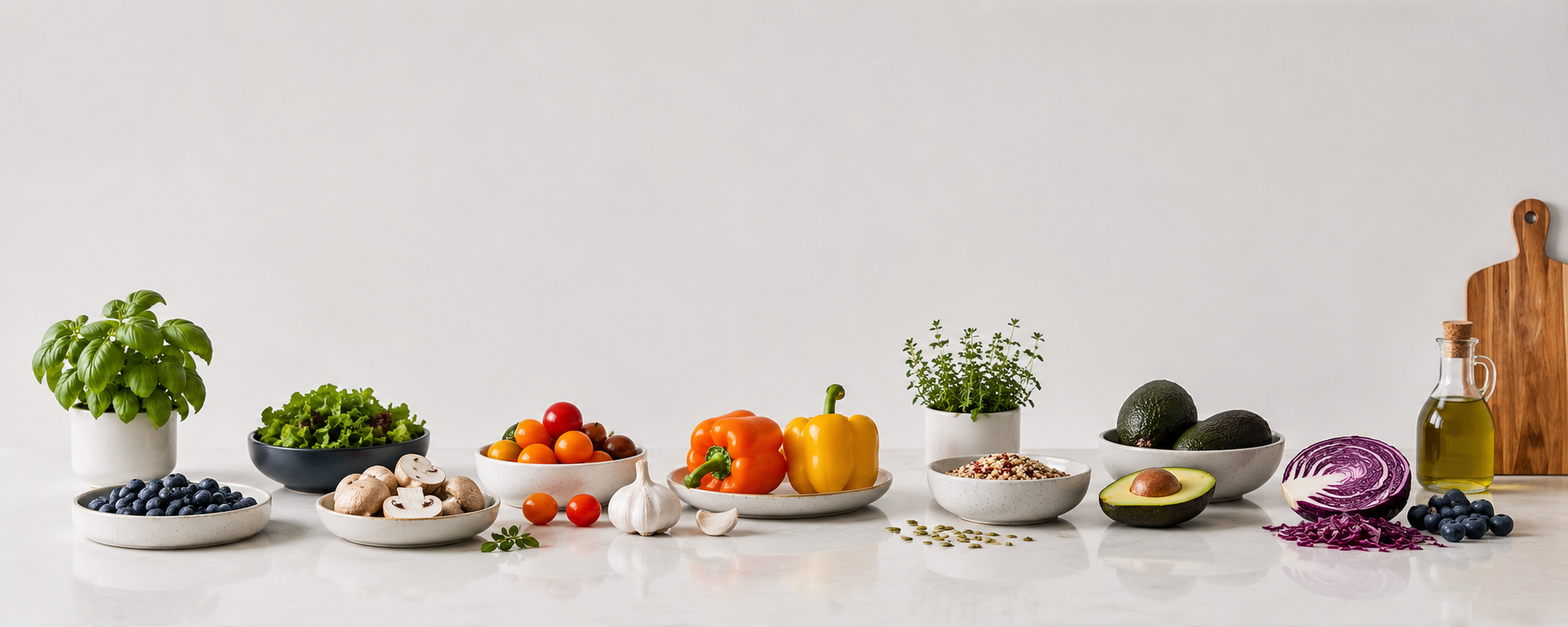
Try all food. Just try
Treat this like you've never eaten before. Try not to keep your old view of food. Try things you didn't like before. Try new things. Try all food without judging. The food may be the same but you're not. Try. It's hard but it's worth trying.
The rules may have changed
Foods you once loved may now feel flat. Foods you avoided may suddenly work surprisingly well. Texture, temperature, moisture, contrast, and sharpness may become more important than familiar flavour.
Focus on what you can detect
Salt, sweetness, acidity, umami, chemical heat, crunch, creaminess, temperature, and visual contrast can all help food register more clearly.
Build food differently
Instead of relying on flavour alone, try building meals around layers of sensation. Add brightness. Add crunch. Add warmth. Add contrast. Use ingredients for what they do, not only for how they used to taste.
Small experiments matter
Do not try to fix food overnight. Change one thing at a time. Add a little acidity. Try a different texture. Revisit an ingredient you used to avoid. Notice what changes.